
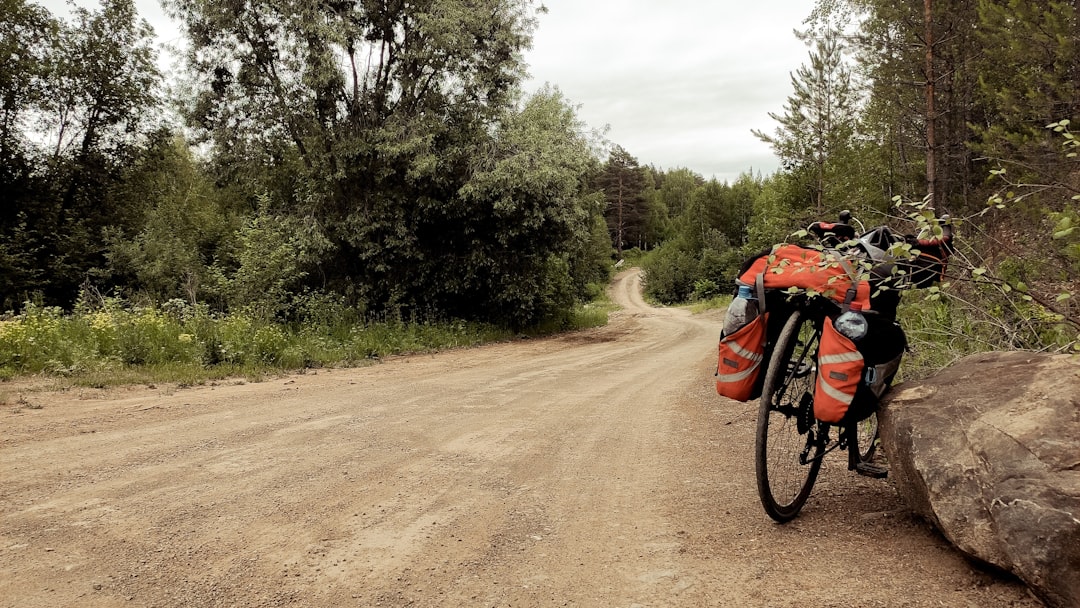
Choosing the right bike for your touring adventures is crucial for a successful and enjoyable experience on the road. With so many options available, it can be overwhelming to determine which bike will best suit your needs. This guide will help you navigate the essential factors to consider when selecting a touring bike, ensuring you make an informed decision that enhances your cycling journey.
Understand Your Touring Style
Before diving into the specifics of bike features, it’s important to understand your touring style. Are you planning long-distance rides across varied terrains, or are you looking for a bike suited for short weekend trips? Your touring style will significantly influence the type of bike you should choose. For instance, if you plan to tackle rough trails, a sturdy mountain bike may be more appropriate than a lightweight road bike.
Additionally, consider whether you prefer self-supported touring, where you carry all your gear, or supported touring, where your luggage is transported for you. Self-supported touring requires a bike that can handle extra weight and has mounting points for racks and panniers. Understanding your touring style will help narrow down your options and lead you to the perfect bike.
Frame Material Matters
The frame material of your touring bike plays a significant role in its performance and comfort. Common materials include aluminum, steel, and carbon fiber, each offering distinct advantages. Aluminum is lightweight and resistant to rust, making it a popular choice for many cyclists. However, it can be less forgiving on rough roads compared to steel.
Steel frames, on the other hand, are known for their durability and ability to absorb shocks, providing a smoother ride over long distances. They are also easier to repair if damaged. Carbon fiber is the lightest option but can be more expensive and less durable than steel. Weigh the pros and cons of each material to find the best fit for your touring needs.
Consider the Geometry
The geometry of a bike affects how it handles and feels during rides. Touring bikes typically have a more relaxed geometry, which promotes comfort over long distances. Look for a bike with a longer wheelbase, which provides stability, especially when loaded with gear. A lower bottom bracket can also enhance stability, making it easier to balance while carrying weight.
Additionally, consider the reach and stack measurements, which determine how upright or stretched out you will be while riding. A more upright position can reduce fatigue on long rides, while a stretched position may be more aerodynamic. Test ride different bikes to see which geometry feels most comfortable for your touring style.
Gear and Accessories
When selecting a touring bike, it’s essential to consider the gear and accessories you’ll need. Look for bikes that come equipped with mounting points for racks and fenders, as these are crucial for carrying luggage and staying dry in wet conditions. Additionally, consider the type of brakes; disc brakes offer better stopping power in various weather conditions, while rim brakes are lighter and easier to maintain.
Don’t forget about the wheels and tires as well. Wider tires provide better traction and comfort on rough roads, while narrower tires are faster on smooth surfaces. Ensure the bike you choose can accommodate the type of tires you prefer for your touring adventures. Investing in quality gear and accessories will enhance your overall experience and make your rides more enjoyable.
Step-by-step plan:
Step 1: Determine your touring style to identify the best bike type for your needs. Step 2: Evaluate frame materials and choose one that balances weight, comfort, and durability. Step 3: Test ride various bikes to find the geometry that feels most comfortable for long distances. Step 4: Consider essential gear and accessories to ensure your bike is equipped for your touring adventures.